
Satna is a city in the Indian state of Madhya Pradesh. It serves as the headquarters of Satna district. It is 7th largest city and 8th most populous city of the state. The city is 500 km east of the state capital Bhopal. The city is distributed over a land area of 111.9 square kilometres.
Satna has been selected as one of the hundred Indian cities to be developed as a smart city under PM Narendra Modi’s flagship Smart Cities Mission.
History
From antiquity to the mutiny of 1857
At nearby Bharhut are the remains of a 2nd-century BC Buddhist stupa, first discovered in 1873 by the archaeologist Alexander Cunningham; most of the finds from this site were sent to the Indian Museum. Some of them were also send to The Metropolitan Museum of Art in New York.
The Mahabharata associates this site with rulers of the Haihaya, Kalchuri or Chedi clans.
The chiefs of Rewa, descended from Baghel Rajput kings (who were, in turn, descended from the Solanki Rajputs), ruled over Gujarat in the thirteenth century. Vyaghra Deo, brother of the ruler of Gujarat, is said to have made his way into northern India about the middle of the thirteenth century and obtained the fort of Marpha, 18 miles north-east of Kalinjar. Bandhavgarh (now in the tehsil of the same name in Umaria district), which, until its conquest in 1562 by Akbar the Great, was the Baghel capital. In 1298, general prince Ulugh Khan, acting under order of his brother Sultan Alauddin Khalji, drove the last Baghel ruler of Gujrat out of his country. This is believed to have caused a considerable migration of the Baghels to Bandhavgarh.

From then until the 15th century, the Baghels of Bandhavgarh were engaged in extending their possessions and so they escaped the attention of the Delhi Sultans. In 1498–99, Sikandar Lodi failed in his attempt to take the fort of Bandhavgarh.
The Baghel King Ramchandra (1555–92) was a contemporary of padshah (emperor) Akbar the Great. Tansen, the great musician, was in the court of Ramchandra and from there Akbar summoned him to his Mughal court. After the death of Birdhabra, Ramchandra’s son Vikramaditya acceded to the Rajput throne of Bandhogarh as a minor Raja, giving rise to civic disturbances. Akbar’s generals intervened, capturing and dismantling the Bandhogarh fort in 1562. From then, the town of Rewa, along with the Sultanate of Malwa were became a part of the Great Mughal Empire.
Following the Treaty of Bassein (1802), the British made overtures of alliance to the ruler of Rewa, but the latter rejected them. In 1812, during the time of Raja Jaisingh (1809–35), a body of Pindaris raided Mirzapur from Rewa territory. As a result, Jaisingh was called upon to accede to a treaty, in which he acknowledged the protection of the British Government, and agreed to refer all disputes with neighbouring chiefs to their arbitration and to allow British troops to march through, or be cantoned within, his territories.
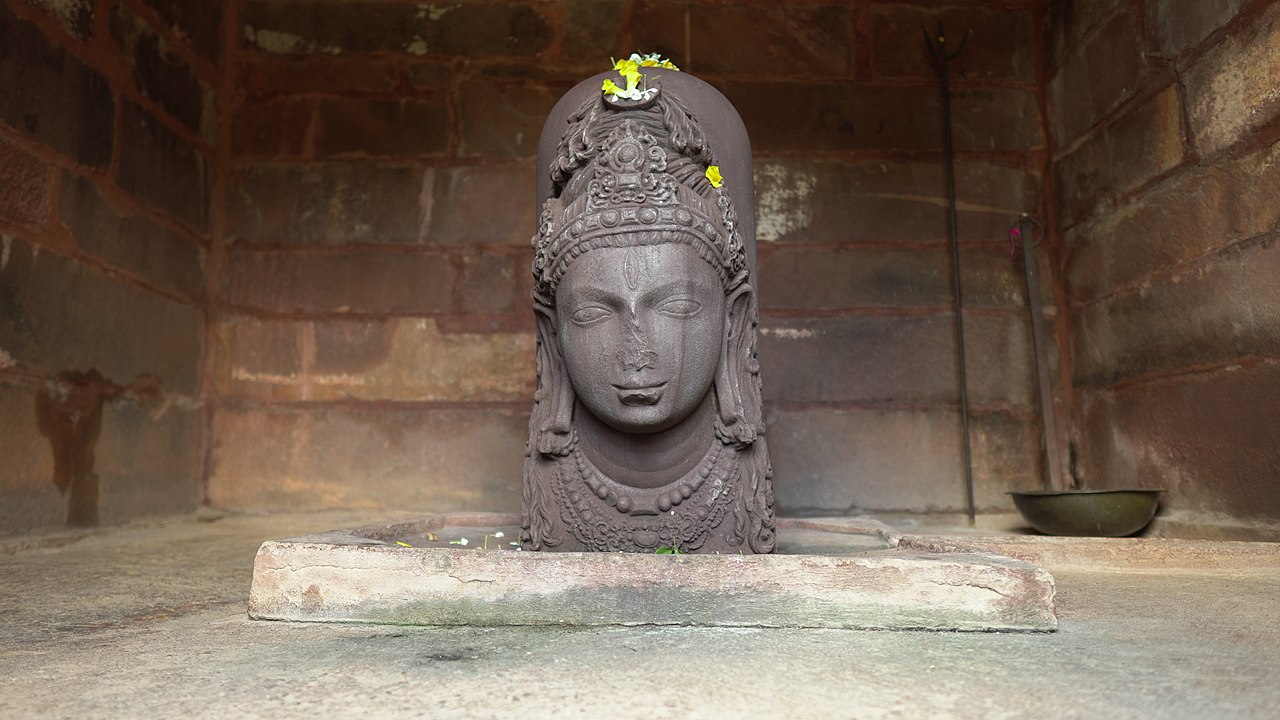
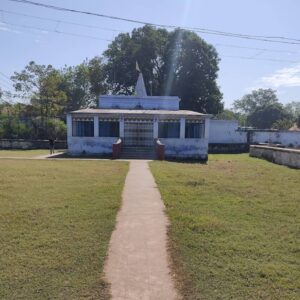
Gupta era’s Famous Bhoomra Shiv Temple in Satna District
During the mutiny of 1857, Maharaja Raghuraj Singh helped the British in quelling the uprisings in the neighbouring Mandla and Jabalpur district, and in Nagod which is now a part of Satna district. For his part the king was rewarded by restoration of the Sohagpur (Shahdol) and Amarkantak parganas, which had been seized by the Marathas in the beginning of the century. Rewa was entitled as a Maharaja”His Highness” and salute of 17 guns.






Reviews
There are no reviews yet